






Spotlights
Nail Technician, Nail Artist, Nail Specialist, Nail Care Professional, Pedicurist, Beauty Technician, Nail Stylist, Nail Expert, Hand and Foot Care Specialist, Nail Salon Technician, Nail Care Technician, Nail Designer
Your hands and feet are some of the first things people notice, and a Manicurist ensures they look their absolute best, boosting confidence and leaving a lasting impression.
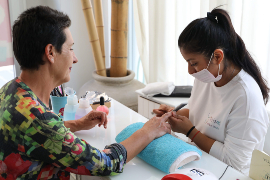
Manicurists work directly with customers in salons, spas, or wellness centers to clean, shape, and decorate fingernails and toenails. They consult with clients about styles and preferences, apply polish, create intricate nail art, and provide treatments that keep nails healthy and skin smooth. They collaborate with salon staff, including receptionists and other beauty professionals, to create a relaxing and positive experience for clients.
Using specialized tools like nail files, buffers, cuticle trimmers, and UV light machines for gel nails, Manicurists blend artistic skill with hygiene practices to transform nails into wearable art. Their work uplifts clients’ self-esteem and plays a vital role in personal care and beauty routines.
- Making clients feel pampered and confident through your artistry and care.
- Expressing creativity by designing unique nail styles and trends.
- Building lasting relationships with clients who return for your expertise and friendly service.
- Seeing the immediate transformation and satisfaction on clients’ faces after a session.
Working Schedule
Manicurists often work in salons or spas with flexible hours that may include evenings and weekends to accommodate clients’ schedules. Many are employed full-time, but part-time and freelance opportunities are common, especially for those building their own client base. The work environment is lively and people-focused, with busy days during peak times and more relaxed moments for detailed nail art or training.
Typical Duties
- Consulting with clients about nail care and style preferences.
- Cleaning and sanitizing hands, feet, and nail tools before treatments.
- Shaping and filing nails to desired lengths and styles.
- Pushing back and trimming cuticles safely.
- Applying polish, gels, or acrylics with precision.
- Creating nail art designs including decals, painting, and embellishments.
- Massaging hands, feet, and lower arms or legs to promote relaxation.
- Educating clients on proper nail care and maintenance.
- Monitoring client health for signs of infections or nail disorders and referring to medical professionals if needed.
- Maintaining a clean and organized work station to meet hygiene standards.
- Scheduling follow-up appointments and managing client records.
- Staying updated on the latest nail trends and products.
Additional Responsibilities
- Ordering and managing nail care supplies and products.
- Training new staff or apprentices in nail techniques and salon protocols.
- Participating in salon promotions or events to attract clients.
- Ensuring compliance with health and safety regulations.
- Handling customer service issues and resolving complaints professionally.
- Maintaining inventory and equipment upkeep.
- Collaborating with other beauty professionals to offer combined services.
- Attending workshops or trade shows to enhance skills and knowledge.
Morning begins with setting up the workstation, sanitizing tools, and reviewing the day’s appointments to prepare personalized nail treatments.
Midday is filled with hands-on client care—consultations, manicures, pedicures, and nail art sessions—while maintaining a friendly and welcoming atmosphere.
Afternoon and evening involve wrapping up appointments, cleaning the salon area, restocking supplies, and sometimes attending training or researching new nail trends to offer fresh styles.
Soft Skills
- Creativity and artistic talent
- Excellent communication and listening skills
- Patience and attention to detail
- Customer service and interpersonal skills
- Manual dexterity and steady hand-eye coordination
- Time management and punctuality
- Empathy and understanding client needs
- Professionalism and maintaining a positive attitude
- Adaptability to new trends and techniques
- Teamwork and collaboration
- Problem-solving and conflict resolution
- Hygiene and safety awareness
Technical Skills
- Nail shaping and filing techniques
- Cuticle care and treatment
- Application of nail polish, gels, and acrylics
- Nail art design and decoration
- Sanitization and sterilization procedures
- Use of UV/LED lamps for gel curing
- Knowledge of nail anatomy and health
- Massage techniques for hands and feet
- Client consultation and record-keeping
- Product knowledge and inventory management
- Salon Manicurist: Provides manicures and nail services in salon settings.
- Mobile Manicurist: Offers nail care services at clients’ homes or events.
- Spa Manicurist: Combines nail care with broader spa treatments for relaxation.
- Nail Art Specialist: Focuses on creative and intricate nail designs.
- Pedicurist: Specializes in foot and toenail care.
- Gel Nail Technician: Expert in gel polish application and removal.
- Acrylic Nail Technician: Skilled in applying and maintaining acrylic nails.
- Nail Product Educator: Teaches about nail care products and trends to professionals and clients.
- Beauty salons
- Day spas
- Resort and hotel spas
- Mobile nail service companies
- Nail product manufacturers
- Beauty supply stores
- Cosmetology schools
- Health and wellness centers
- Cruise ships with spa services
- Private salons and studios
- Event and wedding planning companies
- Nail art competition organizations
Manicurists often face the challenge of maintaining meticulous hygiene standards to protect clients and themselves, requiring constant vigilance and care in tool sanitation and workspace cleanliness. The pressure to deliver flawless nail designs while managing a busy schedule can be intense, especially during peak times like weekends or holidays, demanding both speed and precision.
The hours can vary widely; many Manicurists work evenings and weekends to meet client availability, which might conflict with typical school or social schedules. Standing for long periods and performing repetitive hand motions can cause physical fatigue, so developing stamina and proper ergonomics is essential to sustain a long career.
This career demands patience and adaptability, as clients’ preferences and nail trends constantly evolve. Continuous learning and skill refinement are necessary to stay competitive, requiring sacrifices in personal time for training or attending industry events. At times, dealing with difficult clients or last-minute cancellations tests professionalism and resilience.
- Growth of nail art and customization options.
- Increasing demand for eco-friendly and non-toxic nail products.
- Use of advanced gel and acrylic nail technologies.
- Rising popularity of mobile and at-home nail services.
- Integration of wellness treatments with nail care.
- Social media influencing nail design trends.
- Virtual consultations and online booking systems.
- Focus on hygiene and safety heightened by health concerns.
- Expansion of men's nail care services.
- Training and certification standards becoming more rigorous.
Many Manicurists discovered their passion early by enjoying creative activities like painting, drawing, or crafting intricate designs with their hands. They often liked experimenting with colors and patterns on paper or even their own nails, showing an eye for detail and artistic expression.
As kids, they were drawn to helping friends or family with nail polish or grooming, enjoying the social aspect of beauty care. Their natural patience and steady hands made them comfortable with delicate tasks, hinting at their future in nail artistry and personal care.
Becoming a Manicurist usually involves completing a specialized cosmetology or nail technician program that combines classroom study with hands-on practice. Many states or regions require licensure, which involves passing written and practical exams to ensure safety and skill standards.
Students can take courses in relevant subjects such as:
- Introduction to Nail Technology
- Anatomy and Physiology of Skin and Nails
- Nail Care and Hygiene
- Manicure and Pedicure Techniques
- Nail Art and Design
- Product Chemistry and Safety
- Salon Health and Safety Regulations
- Customer Service and Communication
- Business Practices for Nail Technicians
- Advanced Nail Enhancements
Hands-on experience is crucial, so students often benefit from internships or apprenticeships in salons during or after their training. Building a strong portfolio of nail designs and client testimonials helps launch a successful career. Continuing education is important to keep up with evolving trends and techniques in nail care.
- Take art and design classes to develop creativity and fine motor skills.
- Enroll in health or biology courses to understand skin and nail anatomy.
- Practice good communication skills in English or speech classes.
- Join clubs or volunteer in customer service roles to build interpersonal skills.
- Explore cosmetology or beauty-related electives if available.
- Attend career fairs to learn about nail technician programs.
- Research local cosmetology schools and their nail technician tracks.
- Work part-time or volunteer at local salons for exposure.
- Build a portfolio of nail art designs at home or school.
- Stay informed about beauty trends through magazines and social media.
- Choose a program accredited by a reputable cosmetology board or agency.
- Look for schools offering extensive hands-on training and internships.
- Check that the curriculum includes safety and sanitation standards.
- Ensure the program prepares you for licensing exams in your area.
- Consider programs with flexible schedules if balancing work or school.
- Seek schools with experienced instructors and alumni success stories.
- Verify availability of advanced courses in nail art and enhancements.
- Look for programs offering career placement or job support.
- Ensure the school teaches business skills for salon management.
- Find programs that stay updated with industry trends and technology.
- Ask about class sizes to ensure personalized attention.
- Check for opportunities to participate in competitions or trade shows.
- Build a strong, clean, and creative portfolio showcasing nail designs.
- Apply for assistant or junior nail technician roles in local salons.
- Network with salon owners, stylists, and beauty professionals.
- Offer discounted or free services to friends and family for practice.
- Attend beauty fairs and expos to connect with employers.
- Create social media pages to showcase your work and attract clients.
- Prepare for licensing exams by studying state requirements thoroughly.
- Practice excellent hygiene and customer service during interviews.
- Seek mentorship from experienced Manicurists.
- Learn to manage bookings and client communication effectively.
- Stay open to feedback and continuously improve your skills.
- Consider freelance or mobile nail services to build experience.
- Master advanced nail art and enhancement techniques to stand out.
- Develop strong client relationships to build a loyal customer base.
- Take additional certifications in specialized nail care or wellness treatments.
- Expand skills to include pedicures, massage, or spa services.
- Build a personal brand through social media and community presence.
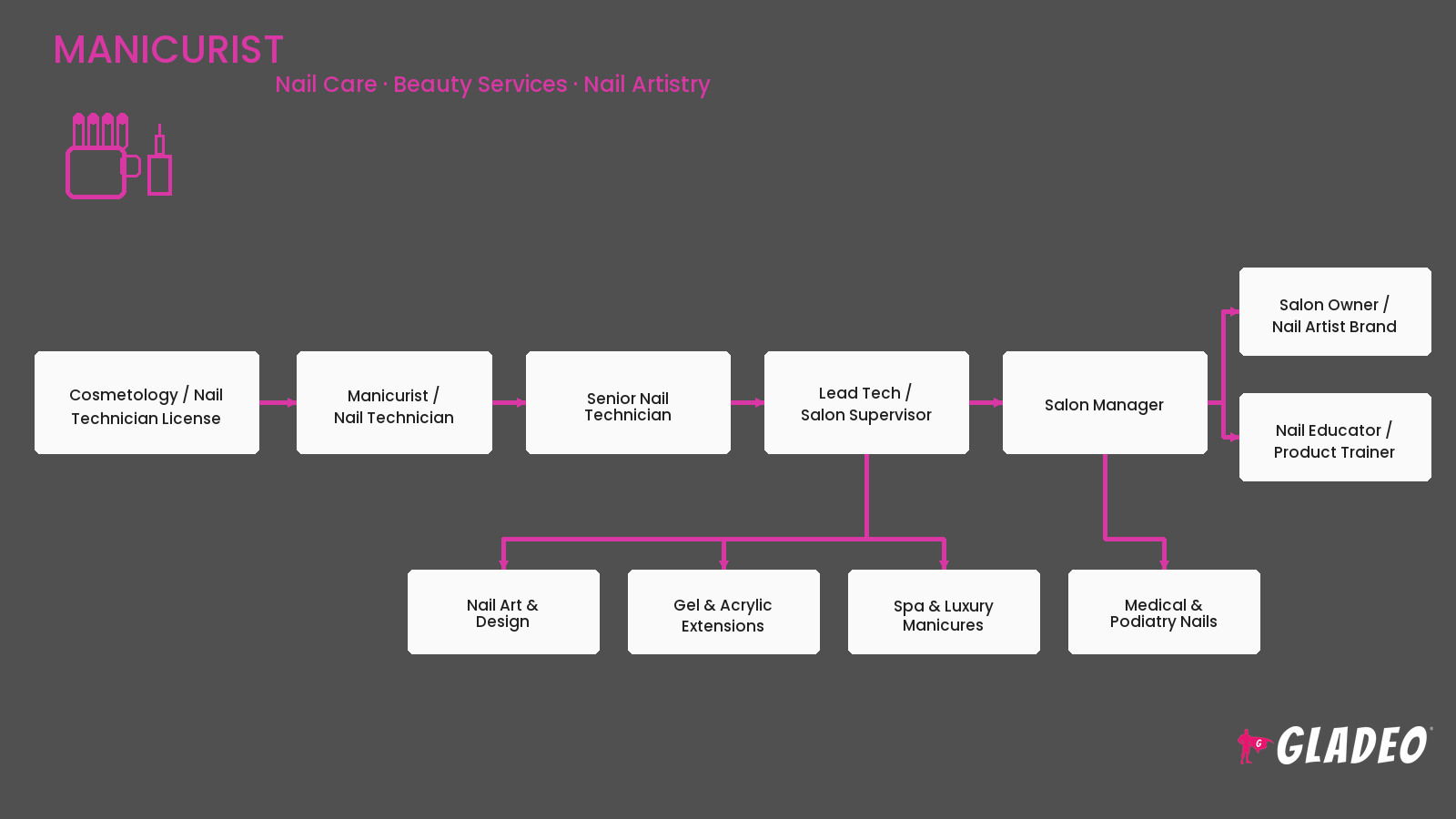
- Seek leadership roles like salon manager or trainer positions.
- Open your own nail salon or mobile nail service business.
- Stay updated on industry trends and continue professional education.
Websites:
- National Association of Professional Nail Technicians (NAPNT) - napnt.org
- International Nail Technicians Association - inta-nails.com
- Beauty Changes Lives Foundation - beautychangeslives.org
- Cosmetology Licensing Board websites by state
- Nailpro Magazine - nailpro.com
- BehindTheChair.com - behindthechair.com
- Modern Salon - modernsalon.com
- The Nail Hub - thenailhub.com
- Salon Today - salontoday.com
- Scratch Magazine - scratchmagazine.com
- American Association of Cosmetology Schools - aacs.org
- Professional Beauty Association - probeauty.org
- Polished Nail Bar Network - polishednailbar.com
- Nails Magazine - nailsmag.com
Books:
- Milady Standard Nail Technology by Milady Publishing
- The Nail Art Sourcebook by Marjorie Gubelmann
- Nail Art Studio by Elena Zueva
- The Complete Nail Technician by Marian Newman
- Nail Care Manual by Sally McGraw
If a career as a Manicurist doesn’t feel like the right fit or if you want to explore related fields, there are many other beauty and personal care roles that use similar skills and offer creative, people-focused work.
- Cosmetologist
- Esthetician (Skin Care Specialist)
- Makeup Artist
- Massage Therapist
- Hair Stylist
- Spa Therapist
- Beauty Salon Manager
- Tattoo Artist
- Fashion Stylist
- Health and Wellness Coach
Newsfeed

Featured Jobs
Online Courses and Tools