





Spotlights
Fallers, Timber Cutter, Logging Equipment Operator, Lumberjack, Forest Harvester, Tree Feller, Chain Saw Operator, Wood Cutter, Logging Technician, Timber Harvester, Logging Crew Member, Forest Operations Specialist
Imagine the towering forests where every tree cut and moved shapes the wood products that build homes, furniture, and paper we use every day. Loggers play a critical role in delivering the raw materials that sustain countless industries and communities.
Loggers spend their days deep in the forest, skillfully cutting down trees and preparing timber for transport. They work closely with equipment operators, truck drivers, and forestry managers to ensure logging is done safely, efficiently, and according to environmental guidelines. Their efforts result in high-quality timber ready for processing at sawmills and other facilities.
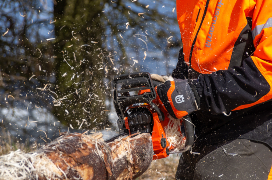
Using powerful chainsaws, heavy machinery like skidders and loaders, and protective gear, loggers combine physical strength with technical know-how. Their work is essential in managing forest resources responsibly while providing materials vital to construction, manufacturing, and everyday life.
- Being outdoors every day surrounded by nature and fresh air.
- Mastering specialized equipment and techniques that require skill and precision.
- Contributing directly to industries that produce building materials, paper, and fuel.
- Working as part of a close-knit team where trust and safety are top priorities.
Working Schedule
Loggers often work full-time hours, typically starting early in the morning to take advantage of daylight. The work is seasonal and weather-dependent, with busy periods during drier months. Shifts can be long and physically demanding, sometimes involving overtime to meet production targets. Many loggers work in remote forest locations, which may require traveling or staying in temporary camps. Safety is a constant focus due to the hazardous nature of the job.
Typical Duties
- Felling trees using chainsaws or manual tools following safety protocols.
- Operating heavy machinery such as skidders, loaders, and harvesters to move logs.
- Removing branches and cutting logs to specified lengths for transport.
- Inspecting equipment daily for maintenance and safety issues.
- Clearing brush and preparing logging sites to access trees safely.
- Coordinating with truck drivers to load and transport timber.
- Following environmental regulations to minimize forest damage.
- Monitoring weather and terrain conditions to ensure safe operations.
- Communicating with team members to coordinate tasks and avoid hazards.
- Recording logs cut and transported to maintain accurate inventory.
- Responding to emergencies or equipment failures quickly and calmly.
- Participating in safety meetings and ongoing training sessions.
Additional Responsibilities
- Maintaining clear communication with forestry supervisors and environmental specialists.
- Adhering to legal requirements related to logging permits and land use.
- Assisting with reforestation efforts by planting trees or preparing land for new growth.
- Managing waste and debris to reduce fire hazards and environmental impact.
- Helping train new crew members on safe logging practices.
- Keeping detailed records of daily activities and timber yields.
- Ensuring all safety gear and protective equipment are well maintained and used properly.
- Reporting any accidents or unsafe conditions immediately to supervisors.
Morning starts early with a safety briefing and equipment check to prepare for the day's work. Loggers review the logging plan, discuss roles, and assess weather and terrain conditions to plan their routes safely.
Midday involves active cutting, operating machinery to move logs, and constant communication among the crew to coordinate efforts. Breaks are taken in between physically intense tasks to maintain focus and energy.
Afternoon includes loading timber onto trucks and clearing work areas. The crew often performs equipment maintenance and prepares for the next day before wrapping up with a debrief on progress and any safety observations.
Soft Skills
- Attention to detail
- Physical stamina and strength
- Teamwork and communication
- Problem-solving under pressure
- Adaptability to changing conditions
- Patience and persistence
- Time management
- Safety awareness and responsibility
- Trustworthiness
- Focus and concentration
- Mechanical aptitude
- Environmental consciousness
Technical Skills
- Chainsaw operation and maintenance
- Heavy machinery operation (skidders, loaders)
- Basic mechanical repair
- Reading maps and site plans
- Knowledge of forestry regulations
- Use of GPS and communication devices
- Log measurement and documentation
- First aid and emergency response
- Use of protective equipment
- Environmental management practices
- Faller: Specializes in safely cutting down trees using chainsaws or axes.
- Equipment Operator: Focuses on running heavy machinery that transports logs.
- Loader Operator: Manages machines that load timber onto trucks.
- Chipper Operator: Operates equipment that converts wood debris into mulch or chips.
- Truck Loader: Prepares and arranges logs for transport vehicles.
- Forestry Technician: Combines logging tasks with environmental monitoring.
- Logging Supervisor: Oversees crew operations and enforces safety standards.
- Tree Planter: Works in reforestation, planting new trees after logging.
- Logging companies
- Timber harvesting contractors
- Forestry management firms
- Sawmills and lumber yards
- Environmental conservation agencies
- Government forestry departments
- Paper and pulp manufacturers
- Wood product manufacturers
- Equipment rental and repair shops
- Union or trade associations
- Forest research institutions
- Safety training organizations
Logging is a physically demanding and high-risk job that requires constant attention to safety. Loggers face hazards like falling trees, heavy equipment accidents, and challenging terrain. Mental focus and quick decision-making are essential to avoid injuries.
Work hours can be long and irregular, especially during peak logging seasons. Early mornings and extended shifts are common. Remote work sites mean loggers may be away from home for days or weeks, sometimes living in temporary camps.
The job demands strength, endurance, and resilience to perform repetitive, strenuous tasks outdoors in varying weather. Loggers often deal with noise, dust, and physically taxing conditions. Despite these challenges, the role offers a rewarding connection to nature and tangible accomplishments.
- Increasing use of GPS and drone technology for site mapping and planning.
- Adoption of more automated and mechanized logging equipment.
- Greater emphasis on sustainable forestry and environmental impact reduction.
- Advanced safety gear and protocols to reduce workplace injuries.
- Training programs focused on both technical skills and environmental stewardship.
- Use of data tracking software for inventory and productivity analysis.
- Integration of renewable energy practices in logging operations.
- Collaboration with conservation groups to balance timber harvesting and habitat protection.
- Development of lighter, more efficient chainsaws and machinery.
- Growing need for skilled operators due to retirements in the workforce.
Many future loggers loved spending time outdoors as kids, enjoying activities like hiking, camping, or helping with yard work and tree trimming. They often showed an early interest in working with their hands and using tools.
They might have been fascinated by big machines or enjoyed physical challenges and teamwork in sports or outdoor clubs. A natural curiosity about nature and a strong sense of adventure often pointed them toward this career.
Most loggers start their careers with a high school diploma or equivalent and learn on the job through apprenticeships or training programs. Some pursue specialized courses in forestry, equipment operation, or safety to gain an edge.
Students can take courses in relevant subjects such as:
- Forestry and Natural Resources
- Mechanical Repair and Maintenance
- Safety and First Aid Training
- Environmental Science
- Heavy Equipment Operation
- Wood Technology
- Occupational Health and Safety
- Geography and Map Reading
- Communication Skills
- Physical Education
Hands-on experience is crucial for loggers. Many gain skills through internships, apprenticeships, or entry-level positions that provide practical knowledge of equipment and safety. Building a strong safety record and technical proficiency opens doors to advancement.
- Take classes in biology, environmental science, and physical education.
- Join outdoor clubs or forestry-related extracurricular activities.
- Learn basic mechanics and equipment operation through vocational courses.
- Volunteer or intern with local forestry or conservation groups.
- Develop physical fitness through sports or exercise programs.
- Attend safety workshops and obtain certifications like first aid.
- Practice teamwork and communication skills in group projects.
- Explore opportunities for summer jobs in landscaping, tree care, or logging.
- Research local community colleges or technical schools offering forestry programs.
- Connect with professionals in forestry or logging through networking events.
- Look for programs with strong hands-on training and equipment operation labs.
- Choose schools with partnerships or internships in the forestry industry.
- Seek programs that emphasize safety training and environmental stewardship.
- Check that instructors have real-world logging experience.
- Ensure curriculum covers latest technology in machinery and GPS use.
- Find programs offering certifications recognized by logging employers.
- Consider programs with job placement assistance or career counseling.
- Verify availability of physical fitness training or wellness support.
- Look for small class sizes to get personalized instruction.
- Explore continuing education options for career advancement.
- Select schools with access to nearby forests for practical learning.
- Prioritize programs that teach teamwork and communication skills.
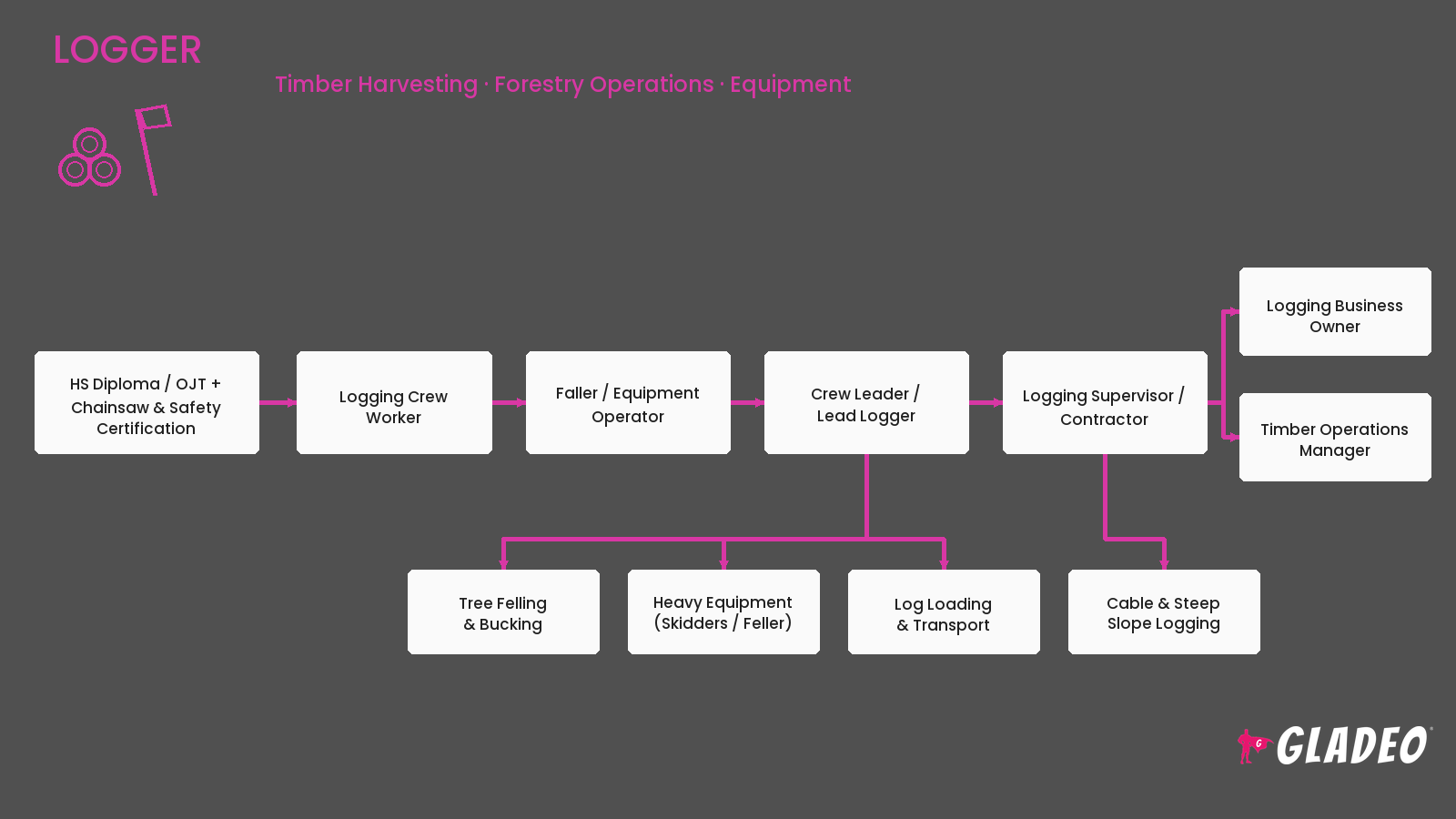
- Apply for entry-level positions with logging companies or timber contractors.
- Obtain necessary safety certifications like OSHA 10 or first aid.
- Build a strong physical fitness routine to handle job demands.
- Learn to operate basic tools and assist experienced crew members.
- Volunteer for extra tasks to gain diverse experience.
- Network with supervisors and colleagues to learn about advancement opportunities.
- Keep a safety log and report any hazards promptly.
- Stay updated on weather and site conditions to plan work effectively.
- Practice teamwork and communication every day on the job.
- Ask for feedback regularly to improve skills and safety awareness.
- Maintain all equipment and protective gear properly.
- Be willing to start in support roles like equipment cleaning or site preparation.
- Gain certifications for advanced equipment operation and safety.
- Develop leadership skills to become a crew leader or supervisor.
- Pursue additional training in forestry management or environmental compliance.
- Build a reputation for reliability and safety on the job.
- Network within industry associations to discover new opportunities.
- Stay current with emerging technologies and logging methods.
- Mentor new employees to strengthen team skills.
- Explore related roles such as timber buyer or forestry technician for career growth.
Websites:
- Forest Resources Association (forestresources.org)
- Society of American Foresters (eforester.org)
- International Logging Association (logging.org)
- National Wildfire Coordinating Group (nwcg.gov)
- OSHA Logging Safety (osha.gov/logging)
- American Loggers Council (americanloggers.org)
- Forest Stewardship Council (fsc.org)
- Timber Harvesting Association (timberharvesting.org)
- Logging Equipment Manufacturers Association (lema.org)
- Rural Careers Network (ruralcareers.org)
- Safety and Health in Forestry (safetyforestry.org)
- National Timber Harvesting Association (nthainc.org)
- WorkSafe Logging (worksafelogging.org)
- Forest Industry Education (forestindustryedu.com)
Books:
- Logging: The Complete Guide to the Timber Harvesting Industry by John W. Smith
- Chainsaw Safety and Operation by Michael Turner
- Forest Operations: Principles and Practices by William H. Emmingham
- The Timber Harvesting Handbook by James P. Smith
- Sustainable Forestry and Logging Practices by Laura Green
If logging doesn't turn out to be the right fit, there are several related careers that use similar skills and offer opportunities to work with nature, machinery, and resource management.
- Forestry Technician
- Wildland Firefighter
- Tree Trimmer or Arborist
- Heavy Equipment Operator
- Environmental Technician
- Park Ranger
- Land Surveyor
- Construction Laborer
- Landscaping Specialist
- Forest Conservationist
Newsfeed

Featured Jobs
Online Courses and Tools