





Spotlights
Cinematographer, DP, DoP, Lighting Cameraman, Lighting Camerawoman, Camera Director, Director of Cinematography, Head of Camera Department, Visual Director, Commercial Cinematographer
The moody blue glow of a rainy city at night, the golden light that makes a desert sunset feel like a memory, the dizzying single shot that follows a hero through a battle without a cut: those are not accidents. They are the work of a Director of Photography, the artist who paints every frame of a movie, show, or music video with light, color, and motion. When you walk out of a theater remembering how a film looked and felt, you are remembering a cinematographer's vision.
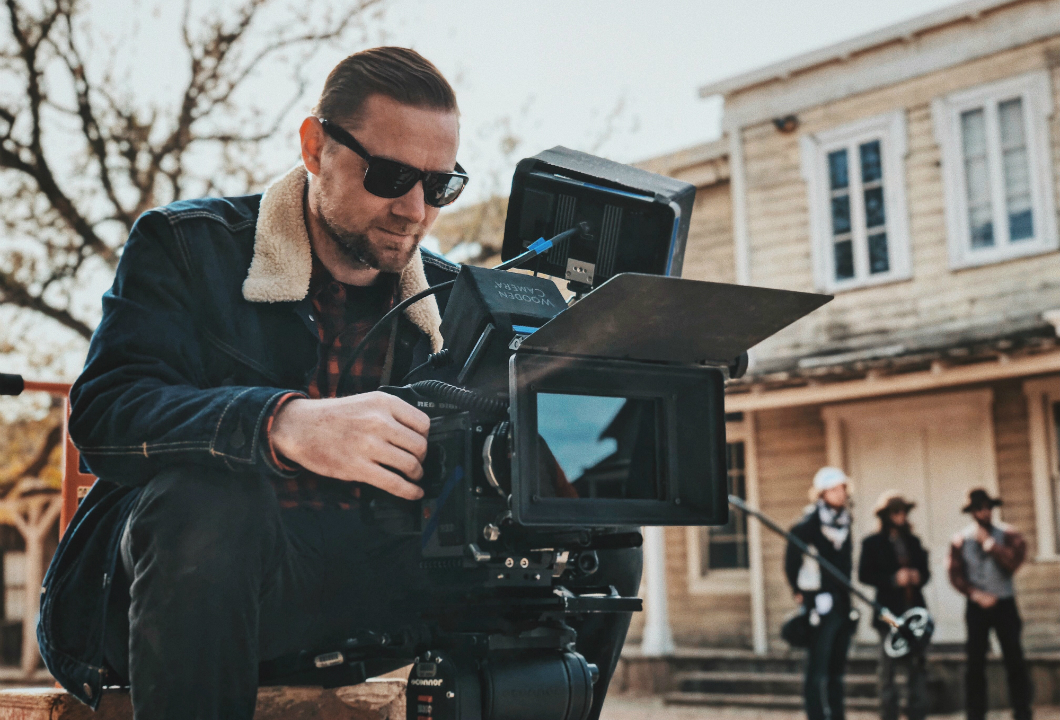
The Director of Photography, often called the DP or cinematographer, is the head of the camera and lighting departments and the person responsible for how a story looks on screen. While the director focuses on performances and story, the DP decides where the camera goes, which lenses to use, how the scene is lit, and how each shot moves. They team up with the director early on to design the visual language of a project, then lead a crew of camera operators, assistant camera operators, the gaffer (the chief lighting technician), and the key grip, who handles camera support and movement. Together they build each shot, rehearse the camera moves, and make sure that every frame supports the emotion of the scene.
DPs work with digital cinema cameras from ARRI, RED, and Sony, and with film stock from Kodak, plus lenses from Cooke, Zeiss, and Panavision, lighting from LED panels to giant movie lights, dollies, cranes, drones, and gimbals. They also use light meters, monitors, and color tools, and they work closely with colorists in post-production to protect the look they created on set. Their choices shape mood, meaning, and style: a trembling handheld camera feels like panic, a slow glide feels like wonder. DPs are visual storytellers, and without them, there is no cinema.
- Creating images that move people and become part of cultural memory, from award-winning films to music videos fans watch over and over
- Using both art and technology every day, from painting with light to mastering the newest cameras
- Traveling to incredible locations and working with passionate directors, actors, and crews
- Earning respect in a craft with a proud tradition, including recognition from organizations like the American Society of Cinematographers and the Academy Award for Best Cinematography
“Getting paid to be a storyteller. Being an artist. Working in the film industry. Being in a creative field. Deciding what a film looks like, its visual aesthetic. Experimenting with new camera and lens technology. The feeling of watching a film, music video, commercial, etc, and thinking ‘Wow, I filmed that. It looks great.’ Solving different challenges, whether it's a tricky camera move or figuring out how to rig a light or hide it somewhere in the scene.” - Alexxiss Jackson
Working Schedule
Directors of Photography work project by project, and the schedule depends on the type of production. A feature film may require several months of prep and shooting, while commercials and music videos might last just a few days. Shoot days are long, often 12 hours or more, and can include early calls, night shoots, and weekends depending on the story. Most DPs are freelancers who are hired for individual projects, and many belong to IATSE Local 600, the International Cinematographers Guild. Between jobs, DPs spend time scouting locations, testing equipment, meeting directors, building their reel, and looking for the next project. Work often involves travel, and every production brings new locations, weather, and challenges.
Typical Duties
- Reading the script and meeting with the director to design the visual look and feel of the project
- Creating shot lists, storyboards, and lighting plans to prepare for each scene
- Choosing cameras, lenses, filters, and film or digital formats that match the story
- Designing the lighting for each scene, working with the gaffer and electricians
- Deciding on camera placement, movement, and framing for every shot
- Leading the camera crew, including camera operators, 1st ACs (focus pullers), 2nd ACs (clapper loaders), and DITs (digital imaging technicians)
- Working with the key grip on dollies, cranes, rigs, and other equipment for camera movement
- Scouting locations to see how light will behave at different times of day
- Setting exposure, color, and contrast to create a consistent look from shot to shot
- Collaborating with the production designer, costume designer, and makeup artists on color palettes and textures
- Reviewing footage during the day and adjusting the lighting or camera approach
- Working with the colorist in post-production to keep the final image true to the original vision
Additional Responsibilities
- Testing cameras, lenses, and lighting packages during prep before the shoot begins
- Managing the camera department budget and equipment rentals
- Hiring and mentoring the camera, lighting, and grip crew
- Coordinating with the first assistant director so shots fit into the schedule
- Following safety rules around electricity, heights, vehicles, and stunts
- Planning special setups such as underwater, aerial, or night shoots
- Keeping up to date on new cameras, lenses, lighting, and workflow technology
- Reviewing visual effects plans with the VFX supervisor so live action and digital elements match
A Director of Photography's morning usually starts early with the call sheet and a conversation with the director about the day's scenes. They walk the set with the gaffer and the key grip, talk through where the lights and camera will go, and check the weather and sun position if the shoot is outdoors. The camera team has the cameras built and the lenses ready, and the DP makes sure the first shot is lit and ready to roll. Rehearsals with the actors let the DP see how people will move through the scene, so they can place the camera and lights where they will help the story most.
Midday is when the set is buzzing. The DP looks through the monitor, adjusts the camera position, and requests small changes to the lights, such as moving a lamp, adding a bounce card, or putting a flag to shape shadows. They talk with the camera operator about the movement, with the focus puller about the focus marks, and with the director about whether the shot feels right. Every setup is a puzzle, and the DP must solve it quickly because the clock is always ticking and daylight does not wait. Between shots, they check the images on the monitor and with the DIT, making sure the exposure and color are just as planned.
Afternoons and evenings can be the most thrilling and demanding part of the day. As the sun drops, the DP races to capture the last light, the so-called golden hour, or shifts to a night setup with new lighting. They check in with the director and first AD about how many shots are left, make quick decisions about what can be simplified, and keep the crew focused. At wrap, they discuss tomorrow's plan, review the day's footage, and sometimes send notes to the colorist or the dailies team before heading home for a few hours of rest.
“There isn't really a typical day, which is part of what I love about it. If a project is in pre-production, I may be reading a script, selecting which camera and lens package we're going to use, or even watching a movie that serves as a visual reference for the look the director wants to go for. If the project is in production, I'm on set. But that doesn't always look the same. In its most basic form, I am usually operating the camera on a production, whether it's a narrative film, documentary, commercial, music video, TV show segment, etc.” - Alexxis Jackson
Soft Skills
- Visual imagination and a strong artistic eye
- Collaboration with directors, designers, and crew members
- Leadership that keeps a large crew motivated and focused
- Clear communication, both in conversation and through visual references
- Problem solving and quick thinking on a busy set
- Patience and persistence, since great shots take time
- Flexibility when weather, budget, or locations change
- Attention to detail in every frame
- Stamina for long days and physically demanding work
- Curiosity about art, painting, photography, and film history
- Calm under pressure when the clock is ticking
- Humility and willingness to learn from every project
Technical Skills
- Mastery of camera operation, exposure, and lenses
- Understanding of lighting techniques, color temperature, and lighting equipment
- Knowledge of both digital cinema cameras and film stock
- Expertise in composition, framing, and camera movement
- Understanding of color science, LUTs, and workflow from set to post-production
- Using light meters, waveform monitors, and on-set monitors
- Familiarity with grip and rigging equipment such as dollies, cranes, gimbals, and drones
- Knowledge of electrical safety and power distribution on set
- Basic visual effects knowledge, including shooting green screen and virtual production
- Reading and designing shot lists, storyboards, and lighting diagrams
- Feature Film DP: Shoots major movies and independent films, often with months of planning
- Television DP: Shoots episodic series, sometimes sharing the look across many episodes and directors
- Commercial DP: Shoots advertisements and branded content with polished, high-impact visuals
- Music Video DP: Creates bold, stylized visuals for artists, concerts, and visual albums
- Documentary Cinematographer: Captures real events and people, often with small crews and fast-changing conditions
- Camera Operator: Operates the camera during shots, working under the DP's vision
- Steadicam and Specialty Operator: Handles stabilized rigs, drones, underwater, or aerial camera work
- Virtual Production DP: Designs images for LED walls and real-time game-engine environments
- Major film studios such as Disney, Warner Bros., Universal, Paramount, and Sony
- Streaming platforms including Netflix, Amazon, Apple TV, and HBO Max
- Television networks and production companies
- Independent film production companies
- Commercial and advertising production houses
- Music video and concert production companies
- Documentary and nonfiction production companies
- Camera and lighting rental houses like Panavision and ARRI Rental
- Virtual production and visual effects studios
- Live sports and event broadcast companies
- Film schools and universities with cinematography programs
- Corporate, educational, and nonprofit video production teams
Directors of Photography are artists, but they are also leaders with a huge amount of responsibility. The DP is accountable for how the entire film looks, and for managing a big team and expensive equipment while the whole production waits. Mistakes can be costly. A missed focus, a flickering light, or an inconsistent exposure could mean reshooting a scene, so the DP must be careful, prepared, and confident even when the day is chaotic.
The hours are demanding. Twelve-hour shoot days are common, and night shoots, location work, and travel are part of the job. The physical side can be tough as well. DPs carry gear, stand for hours, and work outdoors in heat, cold, rain, or at high altitudes. Because most DPs are freelancers, work can be uneven, and it often takes years of working your way up through the camera department to earn the chance to be the DP.
The rewards, though, are worth it for people who love images. Many DPs build deep partnerships with directors and shoot project after project together. A strong reel, a unique visual style, and a reputation for reliability open doors to bigger projects and bigger stories. And there is a unique thrill in watching something you imagined in your head appear on a giant screen.
- Large-format and high-resolution digital cameras that give DPs more visual detail and flexibility
- LED walls and virtual production stages, where DPs light and shoot actors inside digital environments in real time
- Wider use of LED lighting that is lighter, cooler, color-adjustable, and more energy efficient
- Use of drones, gimbals, and compact rigs to capture dynamic shots in new ways
- On-set color management and HDR workflows that preserve the look from camera to screen
- Cloud-based workflows that let editors and colorists review footage quickly from anywhere
- Anamorphic and vintage lenses that give images a distinctive filmic feel
- The return of film stock for projects that want a classic texture alongside digital tools
- Growing opportunities for DPs in streaming series, short-form video, and vertical video for phones
- Emphasis on more diverse crews and stories, with more women and underrepresented cinematographers earning top credits
Many Directors of Photography were kids who always had a camera in their hands, whether it was a phone, a hand-me-down film camera, or a camcorder borrowed from a parent. They noticed light everywhere: the way the sun came through a window, the glow of streetlights, the colors in the sky at dusk. They loved taking photos, making home movies, drawing, painting, or building little sets and dioramas.
Others were drawn to the movies and spent hours studying how their favorite films looked and why certain scenes felt so powerful. They played with Legos, made stop-motion videos, edited clips on their computers, and experimented with filters and lighting. They liked both the artistic side and the technical side of making images, and they were often the ones who volunteered to film school events, family gatherings, or friends' projects.
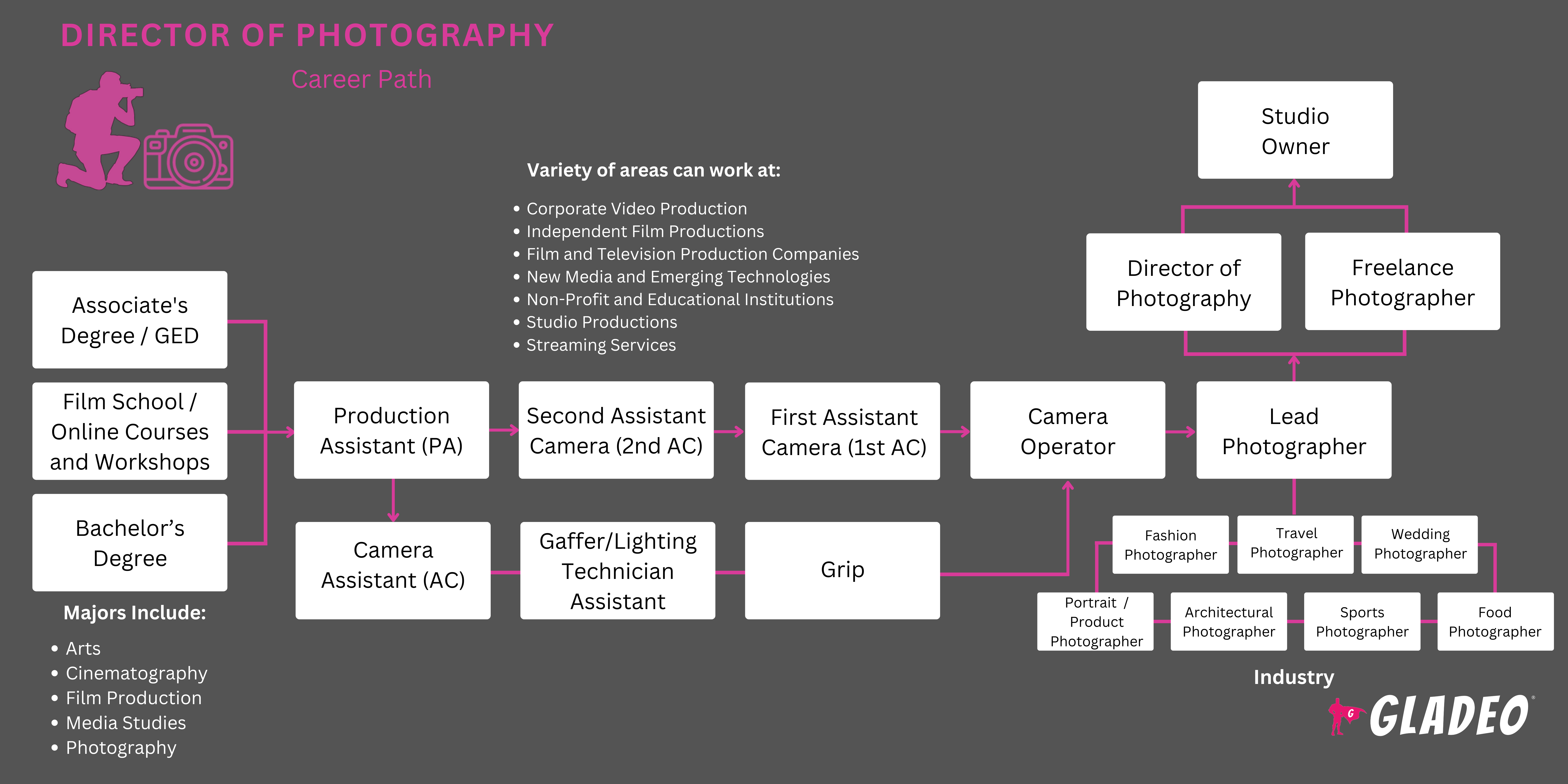
There is no single required degree to become a Director of Photography, but many earn a bachelor's or master's degree in film production, cinematography, photography, or a related field from a university or film school. Others learn through assisting on sets, starting in entry-level camera or lighting roles and moving up over many years. Whichever path you choose, the key ingredients are a strong eye, technical mastery, and a portfolio of work that shows what you can do.
Students can take courses in relevant subjects such as:
- Cinematography and Camera Operation
- Lighting for Film and Video
- Photography and Visual Composition
- Film History and Film Theory
- Digital Imaging and Color Science
- Directing and Film Production
- Film Editing and Post-Production
- Art History and Painting
- Physics of Light and Optics
- Grip and Electric Technology
The traditional ladder to DP runs through the camera department: camera trainee, 2nd AC, 1st AC, camera operator, and then DP. Many people also work their way up through the lighting and grip departments. Union membership in IATSE Local 600, the International Cinematographers Guild, provides a path to professional work, along with fair pay, benefits, and training programs.
Hands-on experience is everything. Every project you shoot, from a class assignment to a friend's short film, builds your skills and your reel. Short courses, workshops, and masterclasses from organizations such as the American Society of Cinematographers, camera manufacturers, and film schools help you keep learning as technology changes.
- Take photography, film, art, and video production classes and shoot as much as you can
- Study light by photographing the same scene at different times of day and noticing how the mood changes
- Learn the basics of exposure, aperture, shutter speed, and ISO using a phone camera or a simple DSLR or mirrorless camera
- Study paintings and movies and notice how artists use color, shadow, and composition
- Make short films with friends and take turns shooting, lighting, and directing
- Build a reel of your best work and keep it updated on a simple website
- Volunteer as a camera operator for school events, plays, sports, or community videos
- Take physics and math classes so you understand lenses, light, and electricity
- Intern or work as a production assistant on film and commercial sets to watch DPs at work
- Attend film festivals and cinematography talks, including events by the American Society of Cinematographers
- Watch behind-the-scenes features and read interviews in American Cinematographer magazine
- Learn editing and color basics so you understand what happens to your footage in post-production
- Programs with a strong cinematography curriculum and professional camera and lighting equipment
- Faculty who are working or former DPs, camera operators, or gaffers
- Plenty of hands-on projects where you act as the DP on real shoots
- Access to soundstages, lighting kits, grip equipment, and the latest cameras and lenses
- Courses in color grading, digital workflow, and post-production
- Internships and industry connections with studios, rental houses, and production companies
- Opportunities to show your work at screenings and festivals
- Alumni who are working in camera and lighting departments
- Guest masterclasses with working cinematographers and camera manufacturers
- Locations near strong production hubs like Los Angeles, New York, Atlanta, New Mexico, or Vancouver
- A collaborative culture where students work in crews on each other's films
- Clear information about tuition, scholarships, equipment fees, and the cost of student projects
- Start as a production assistant or camera trainee, and show up early, stay late, and learn every tool
- Apply for entry-level titles like Camera PA, Camera Trainee, Loader, 2nd AC, Grip, or Electrician
- Work at a camera rental house, such as Panavision or ARRI Rental, where you can learn the gear inside and out
- Build a reel that shows your best work, including short films, music videos, commercials, and documentaries
- Shoot your own projects, even tiny ones, to practice and prove your eye
- Network with directors, producers, and film students who need a cinematographer for their projects
- Join job boards and crew groups such as ProductionHub, Mandy, Staff Me Up, and local film Facebook groups
- Attend industry events and film festivals to meet filmmakers and crew
- Consider joining IATSE Local 600 as you gain experience and meet the requirements
- Learn the gear you will use in the field, including ARRI, RED, and Sony cameras, and be ready to talk about how to work with them
- Be reliable, safe, and easy to work with, since crews recommend the people they trust
- Ask working DPs for informational interviews and offer to help on their shoots, even for small tasks
- Move up the camera department step by step: trainee, 2nd AC, 1st AC, operator, then DP
- Shoot as many projects as you can, including indies, commercials, and music videos, to build your reel and style
- Build lasting partnerships with directors who will bring you along from project to project
- Master new tools and workflows such as virtual production, HDR, and color management
- Join professional organizations like IATSE Local 600 and the American Society of Cinematographers, if invited, to connect with peers
- Take on bigger and more complex projects to show you can lead large crews and tell bigger stories
- Learn the business side of the work, including budgeting, equipment rental, and contracts
- Mentor camera trainees and assistants, because the best DPs pass on what they learned
Websites:
- American Society of Cinematographers (ASC) - theasc.com
- IATSE Local 600, International Cinematographers Guild - icg600.com
- American Cinematographer Magazine - ascmag.com
- British Society of Cinematographers (BSC) - bscine.com
- Canadian Society of Cinematographers (CSC) - csc.ca
- Camerimage Film Festival - camerimage.pl
- ARRI - arri.com
- RED Digital Cinema - red.com
- Panavision - panavision.com
- Kodak Motion Picture - kodak.com
- Cooke Optics - cookeoptics.com
- No Film School - nofilmschool.com
- Frame.io Insider - blog.frame.io
- ProVideo Coalition - provideocoalition.com
Books:
- Cinematography: Theory and Practice by Blain Brown
- Painting with Light by John Alton
- Reflections: Twenty-One Cinematographers at Work by Benjamin B. Bergery
- Motion Picture and Video Lighting by Blain Brown
- The Filmmaker's Handbook by Steven Ascher and Edward Pincus
If you find that being a Director of Photography isn't the right path, your eye for light, composition, and storytelling can shine in many related careers.
- Camera Operator
- Photographer
- Film Director
- Gaffer
- Colorist
- Video Editor
- Documentary Filmmaker
- Visual Effects Artist
- Photojournalist
- Drone Pilot
“Working in any creative field can be hard, because it’s not always as much of a straight line as ‘go to school, get this degree, get a job at this company.’ It takes a lot of hard work, a strong network and a lot of diligence. But if you can make it, you can spend your life doing something fun that you love.
Also, never stop learning. That’s a good practice in general, but especially for a career path like this where there is always new technology coming out.” - Alexxiss Jackson
Newsfeed

Featured Jobs
Online Courses and Tools